Guides & Tips
Child Car Seat Law Philippines (RA 11229): Parent Guide
By Richard Cuagdan, Mitsubishi Sales Executive ·
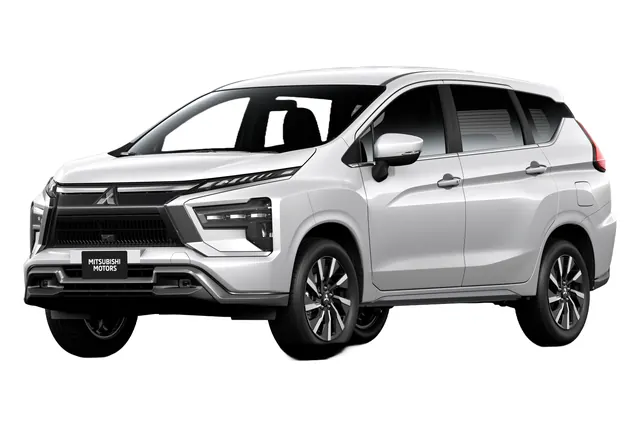
Quick answer: The child car seat law in the Philippines is RA 11229. Under RA 11229, the Child Safety in Motor Vehicles Act, children 12 and below must ride in an appropriate, approved child restraint system unless they are at least 150 cm (59 inches) tall and can use the regular seat belt. Children 12 and below can't sit in the front seat unless they meet that height and are belted, and a child must never be left alone in a vehicle.
Sa Pilipinas, kandong is love, pero sa sasakyan, it's risky. In a sudden stop, even a careful parent can't hold a child in place. That's why the Child Safety in Motor Vehicles Act (RA 11229) exists. Here's what it means for your family car.
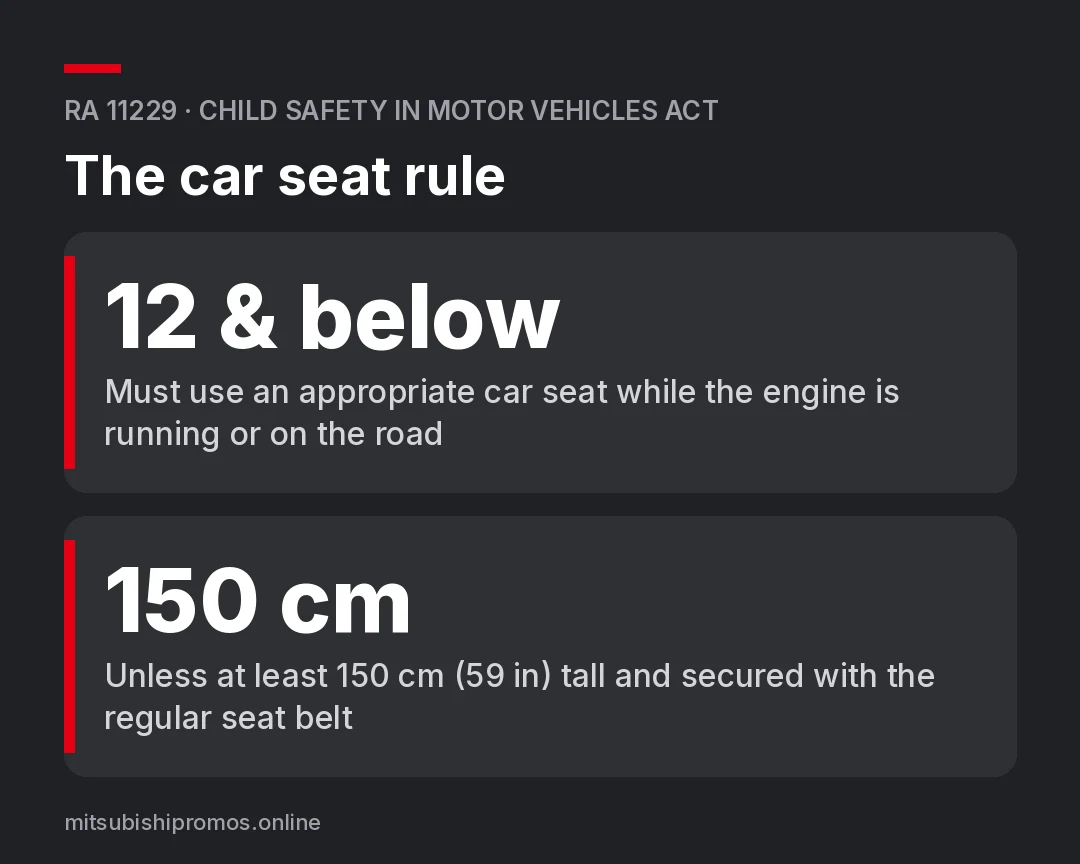
The rule in one sentence
Children 12 years old and below must be secured in an appropriate child restraint system (car seat) whenever the engine is running or the car is on the road, unless they are at least 150 cm (59 inches) tall and properly secured with the regular seat belt.
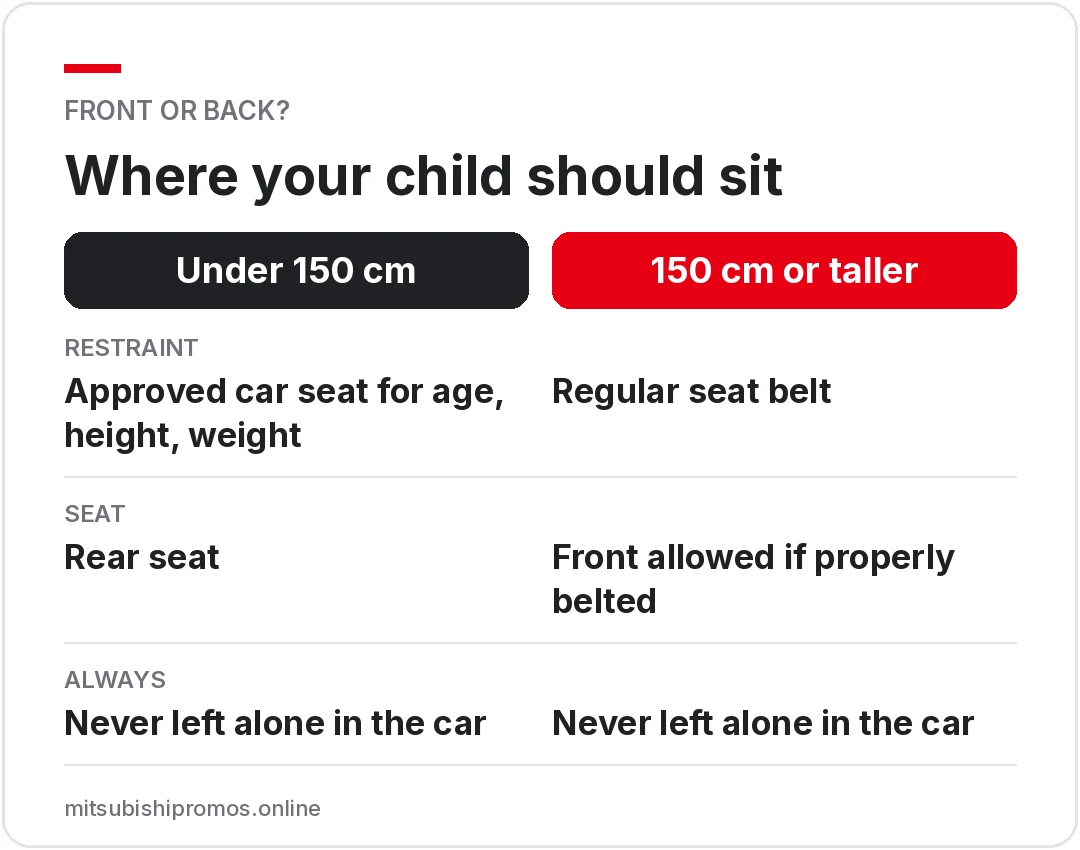
Back seat for 12 and below
No child 12 and below may sit in the front seat unless they meet the 150 cm height requirement and are properly belted. The LTO also notes that car seats should be mounted in a rear seat.
- Shorter than 150 cm: car seat, in the back
- 150 cm or taller: regular seat belt; front seat allowed if properly belted
- Never leave a child alone in the car, even if they're buckled in
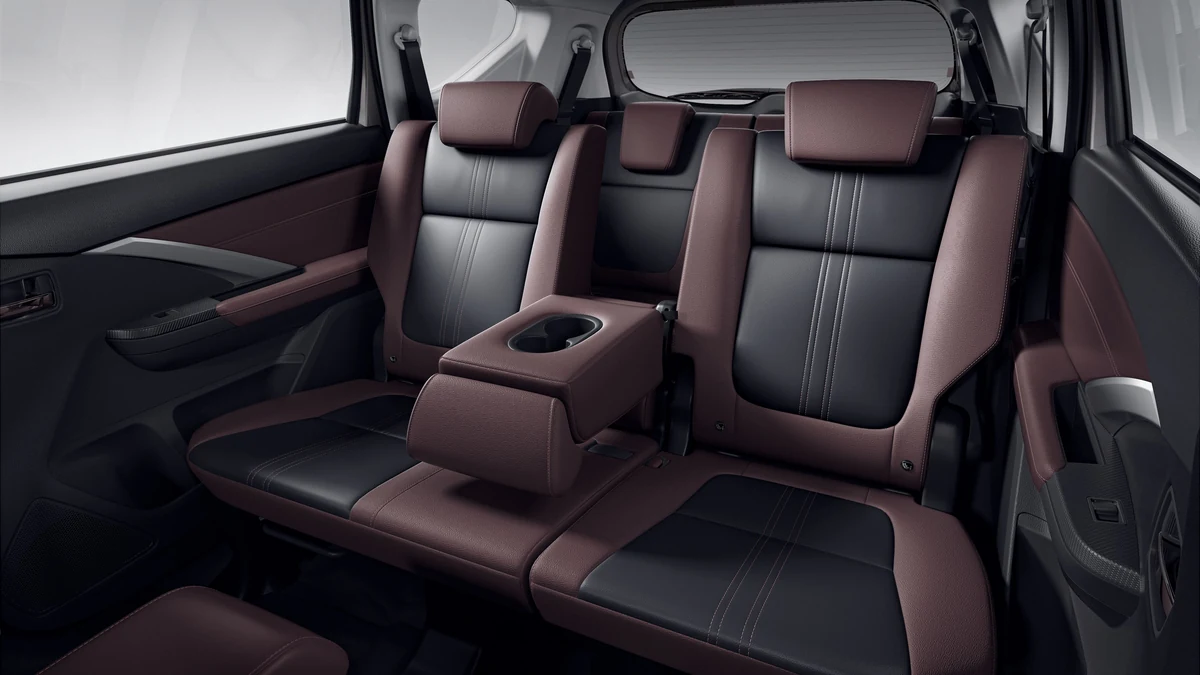
Choosing the right seat
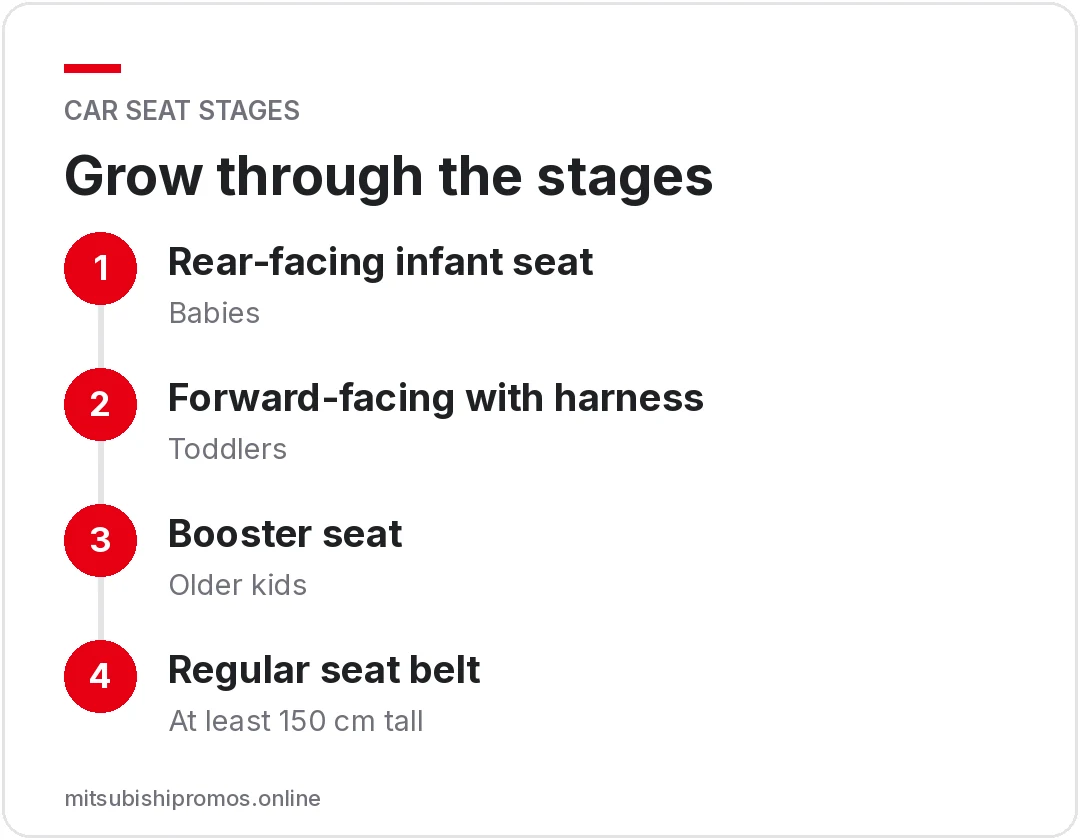
The law requires a seat that fits your child's age, height and weight and that complies with the DTI standard and recognized UN regulations. In practice, seats come in stages:
Rear-facing infant seat
For babies. Rear-facing protects the head and neck best.
Forward-facing seat with harness
For toddlers who have outgrown the rear-facing limits of their seat.
Booster seat
For older kids, so the adult seat belt crosses the shoulder and hips correctly.
Regular seat belt
Once your child is at least 150 cm tall.
Follow the height and weight limits printed on the seat itself, and keep the manual.
Installation checklist
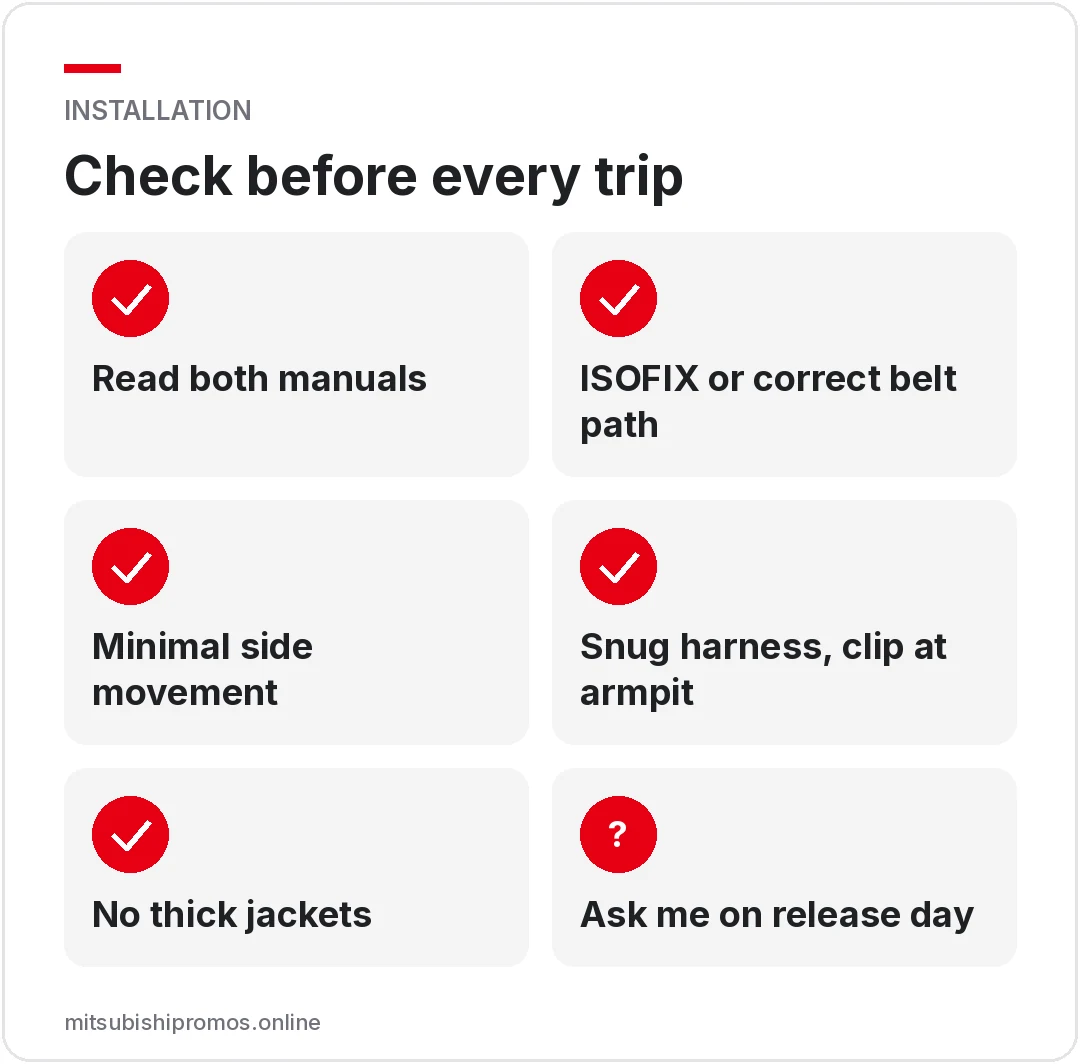
- Read both the car seat manual and your car's owner's manual
- Use the car's ISOFIX/anchor points if your seat and car support them, or the seat belt routing in the seat manual
- The seat shouldn't move more than a little side to side at the belt path
- Harness straps snug, chest clip at armpit level
- No thick jackets under the harness
- Ask me to show you the anchor points on release day
Family cars with room for car seats
If you'll carry two or more car seats plus lolo and lola, a 7-seater gives you flexibility. The Xpander and Destinator both seat seven. Bring your car seat to the test drive and try it in the second row. My Xpander vs Destinator comparison helps you choose.
Sources
- Lawphil: Republic Act No. 11229
- Philippine News Agency: Child car seat enforcement to start with education, LTO
- WHO Philippines: Child restraint law
Related reading
- Christmas Driving Safety Tips for Families
- How Much Car Can I Afford Based on Salary? (30–35% Rule)
- Buying a Mitsubishi in SJDM, San Jose del Monte: 2026 Guide
Your next step
Bring your car seat and test it in our 7-seaters. Check your budget first, then book a test drive in SJDM.
Check what fits my budget Book a Test Drive Call or text 0954 291 1201
Questions muna? Call or text me, Richard, on 0954 291 1201, walang pressure. Richard Cuagdan, Mitsubishi SJDM, serving SJDM, Bulacan and Quezon City; message me for showroom visits and directions. Promo figures are for October 2026 on a 5-year term, all-in, subject to bank approval and change without notice.
Frequently asked questions
Who needs a car seat in the Philippines?
Children 12 years old and below who are shorter than 150 cm (59 inches). Once a child reaches 150 cm, they can use the regular seat belt.
Can my child sit in the front seat?
Not if they're 12 or below, unless they're at least 150 cm tall and properly secured with the regular seat belt.
What kind of car seat is allowed?
One appropriate to your child's age, height and weight, and compliant with the standards set by the DTI, including recognized UN regulations. Look for the approval markings on the seat.
Are there exceptions?
The law lists cases where a car seat would put the child in greater danger, such as medical emergencies or a child's medical or developmental condition, plus others in the implementing rules.